
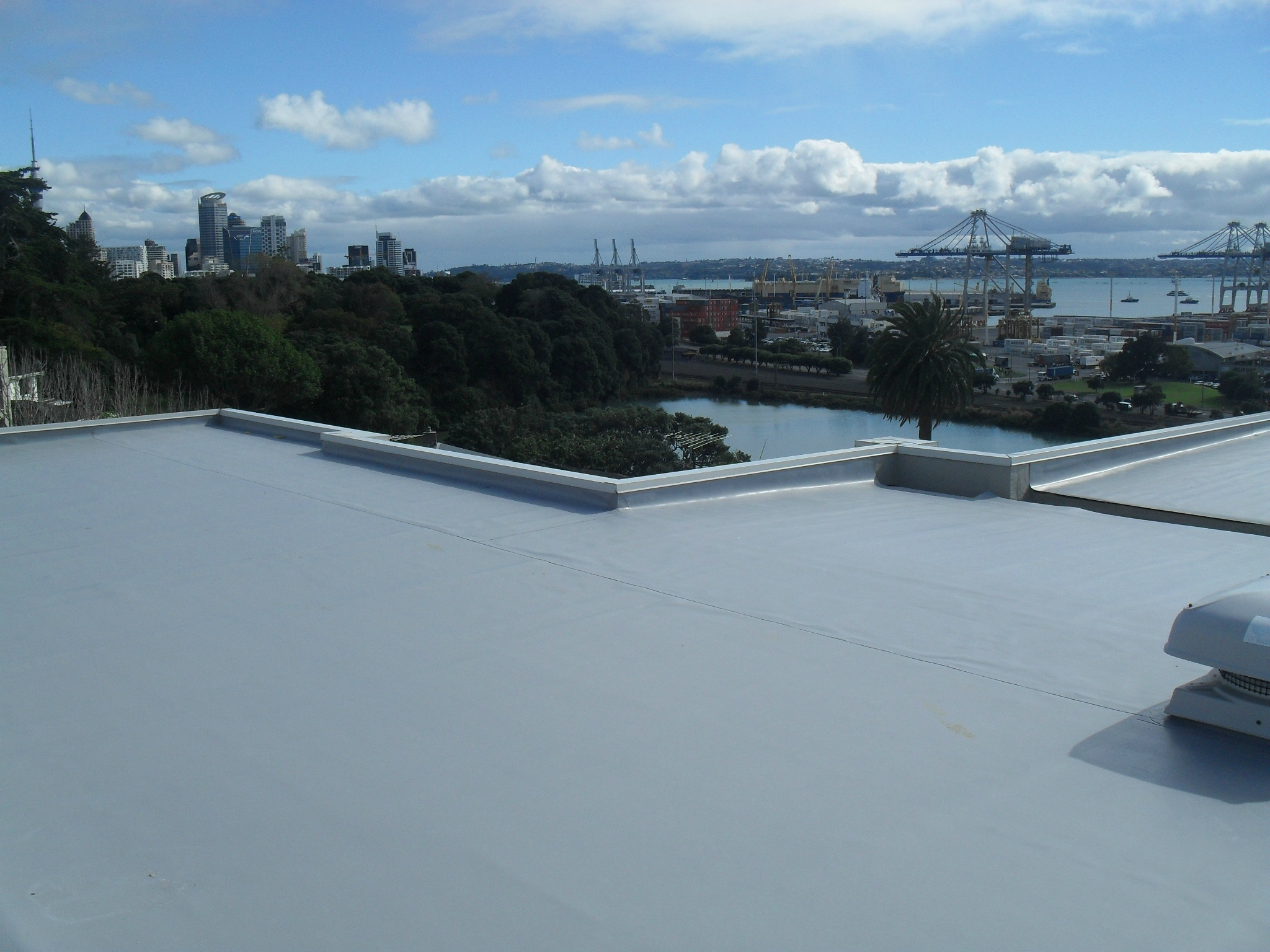
Southwest Florida's citrus and produce industry has created a food processing and cold chain roofing market in Fort Myers that is shaped by both the region's agricultural legacy and its hurricane exposure. Tropicana's citrus processing operations have been central to the Southwest Florida food industry for decades, and the broader citrus cold chain — from grove to processing plant to refrigerated distribution — depends on temperature-controlled facilities that require roofing systems engineered for the specific demands of food-grade cold storage in a tropical climate. Southwest Florida produce distribution serves markets throughout the Southeast and beyond, and the cold storage and distribution facilities that anchor that supply chain represent some of the most technically demanding roofing projects in the Lee County market.
Tropicana's citrus processing and cold storage infrastructure in Southwest Florida provides a clear example of the roofing requirements for high-volume food processing in this region. Orange juice processing involves large quantities of water, steam, and refrigeration in closely coordinated production sequences, generating interior humidity levels that far exceed the outdoor ambient despite South Florida's already high baseline humidity. The roofing system above a juice processing line must manage the combined vapor load from both the outdoor environment and the processing operations below, and must do so while also withstanding the hurricane forces that characterize the Fort Myers climate zone. The intersection of food-grade vapor management requirements and HVHZ structural performance demands makes Tropicana-scale food processing roofing among the most technically demanding work in the Southwest Florida commercial roofing market.
HACCP requirements at Fort Myers citrus and produce processing facilities extend to the building envelope in ways that have direct implications for roofing specification. FDA's FSMA regulations, which apply to citrus juice production and produce distribution, require that the facility design prevent contamination of food from environmental sources including water intrusion. A roof that allows any moisture infiltration over a juice production line, produce sorting operation, or cold storage staging area is a HACCP violation that can trigger FDA inspection, product hold requirements, and potential facility shutdown pending corrective action. This regulatory reality makes roof integrity a food safety compliance issue, not just a maintenance consideration, and supports investment in the highest-quality roofing systems that prevent any moisture infiltration rather than simply minimizing it.
Hurricane Ian's impact on Lee County in September 2022 was a critical test of food facility roofing resilience in Southwest Florida. Processing and cold storage facilities that sustained roofing damage faced immediate product loss as refrigeration systems lost power and structural integrity, but also faced the longer-term challenge of restoring food production operations in damaged facilities while complying with FDA post-disaster facility assessment requirements before resuming food production. The post-Ian reconstruction period provided detailed real-world evidence of which roofing systems performed well and which failed, and that evidence has significantly influenced food facility roofing specifications throughout Lee County. The bar for hurricane-resistant food facility roofing has been raised measurably by the Ian experience.
Lee County's HVHZ designation applies the most stringent roofing performance requirements in the US code framework to every food facility roofing project in the Fort Myers area. Food processing and cold storage facilities face the additional challenge that their rooftop mechanical equipment — refrigeration compressors, cooling towers, and air handling units — must also meet hurricane anchorage requirements, and the roofing system must be designed to remain intact around those equipment attachment points under the wind forces that HVHZ specifications address. Integrated design of equipment anchorage and roofing membrane systems — with structural engineering involvement from the project's earliest stages — is standard practice for food facility roofing in this market.
Vapor management for Fort Myers cold storage facilities must address one of the most demanding vapor gradient environments outside the Florida Gulf Coast. Southwest Florida's year-round high humidity — dew points above 78°F are common during the wet season from May through October — creates persistent inward vapor pressure on refrigerated spaces throughout the warm season. Unlike northern cold storage markets where winter provides relief from vapor pressure, Fort Myers cold storage facilities experience high vapor drive pressure for the majority of the year. Cold storage roofing must include a vapor retarder with very low permeability, installed on the warm side of the insulation with complete continuity at all penetrations and transitions. The failure mode — ice accumulation within the insulation assembly followed by structural deck degradation — is well-documented in Southwest Florida and entirely preventable with correct specification and installation.
Southwest Florida produce distribution serves a broad geographic market, with distribution facilities moving citrus, tomatoes, peppers, and other produce grown or aggregated in the region to markets throughout Florida and the eastern United States. The cold storage roofing requirements for distribution facilities handling fresh produce differ somewhat from frozen product storage: fresh produce must be maintained at specific temperatures above freezing, and the relative humidity within produce storage is typically higher than in frozen storage to prevent commodity desiccation. This produce-specific interior environment creates a vapor management profile that roofing contractors must account for in their specification, recognizing that the vapor dynamics of a 38°F produce cooler differ from those of a -10°F frozen warehouse.
Post-hurricane recovery planning is an essential component of food facility roofing service in Fort Myers. Food processing and distribution facilities face FDA and USDA requirements to document facility condition and demonstrate that food safety systems were maintained or appropriately suspended during storm events before resuming food production. Roofing contractors who can provide rapid post-storm inspection with documented findings, and who maintain relationships with their food facility clients through extended hurricane recovery periods, provide value that extends well beyond the roofing work itself. The ability to prioritize food facility clients in the queue for post-storm repair work — and to provide documentation suitable for FDA facility assessment and FEMA recovery reimbursement — makes roofing contractors genuine partners in food facility hurricane preparedness and recovery.
Preventive maintenance for Fort Myers food facility roofs should follow a hurricane-season-aware calendar that integrates with the citrus processing industry's seasonal schedule. Citrus juice production peaks in winter, when mature fruit is processed from November through March. This means that major roofing maintenance work is best scheduled in spring and summer — the off-season for citrus processing but also hurricane season. Coordinating maintenance work to occur during the transition between harvest and the heart of hurricane season — April and May — allows facility managers to complete any membrane repairs or system upgrades before the most storm-intensive months while minimizing disruption to the peak production period. Contractors who understand the citrus industry's operational calendar can position their services as aligned with their food facility clients' business rhythm.
Frequently Asked Questions
What roofing specifications are required for citrus processing facilities in Lee County?
Lee County's HVHZ designation requires Florida Product Approval-listed systems installed to HVHZ attachment requirements. For citrus processing specifically, the interior humidity load from processing operations requires vapor retarder design calibrated for higher-than-standard interior moisture levels, and all penetrations serving processing equipment must be detailed as continuous vapor control points. FM-rated assemblies are the appropriate baseline, with wind uplift ratings of FM 1-120 or higher for field areas and higher ratings at perimeters and corners. Reflective membrane surfaces that reduce cooling loads are both an energy code requirement and a practical operational benefit in Southwest Florida's tropical climate.
How did Hurricane Ian affect food facility roofing standards in Fort Myers?
Ian's impact on Lee County food facilities revealed consistent failure patterns — inadequate edge metal attachment, insufficient perimeter fastening density, and deferred maintenance that allowed seam and flashing deterioration to progress before the storm. These failures caused significant product losses beyond the structural damage itself. The post-Ian reconstruction has driven a broad upgrade in food facility roofing specifications throughout Lee County, with owners and their insurers increasingly requiring FM 1-175 or better wind uplift performance and specifying redundant waterproofing approaches for facilities housing high-value cold storage inventories. Ian effectively raised the floor on what is considered an acceptable food facility roofing specification in this market.
What vapor retarder is appropriate for a Southwest Florida cold storage facility?
Cold storage facilities in Fort Myers require vapor retarders with substantially lower permeability than standard commercial roofing vapor barriers. Polyethylene film with aluminum foil facer systems or spray-applied vapor barrier coatings are appropriate for this climate. Kraft paper-faced vapor retarders that perform adequately in northern cold storage markets will be overwhelmed by Southwest Florida's year-round high vapor pressure. The retarder must be placed on the warm side of the insulation — between the roof deck and the insulation — and must be carried continuously around all penetrations without gaps or tears. Any compromise in continuity will allow moisture infiltration that, in this climate, will cause ice formation and progressive structural damage.
How does produce respiration affect roofing system design for distribution facilities?
Fresh produce generates heat and water vapor through biological respiration, adding to the interior moisture load that roofing systems must manage. Citrus fruit in storage produces measurable vapor output that contributes to elevated relative humidity within coolers, which increases the vapor pressure driving moisture toward the cold roof assembly. Roofing specifications for fresh produce cold storage must account for this produce-generated moisture load in addition to the standard occupancy moisture levels. The practical implication is that vapor retarder specifications appropriate for a frozen product warehouse — which has lower interior humidity — may be insufficient for a fresh produce facility, and the roofing contractor should request interior RH design conditions from the facility's mechanical engineer before finalizing vapor control specifications.
What documentation should a Fort Myers food facility owner retain for their roof?
Comprehensive documentation serves both operational and regulatory purposes. Retain installation records including material certifications, installer qualifications, and QC inspection reports from the original installation. Maintain a log of all subsequent inspections, findings, and repairs with dates and contractor certifications. Keep current manufacturer warranty documentation. For HVHZ compliance, retain product approval numbers for all roofing components. For FDA facility assessment purposes, maintain records demonstrating that the building envelope was designed and maintained to prevent environmental contamination of food production areas. This documentation package supports insurance claims, FEMA reimbursement claims, and FDA facility assessments following storm events.