
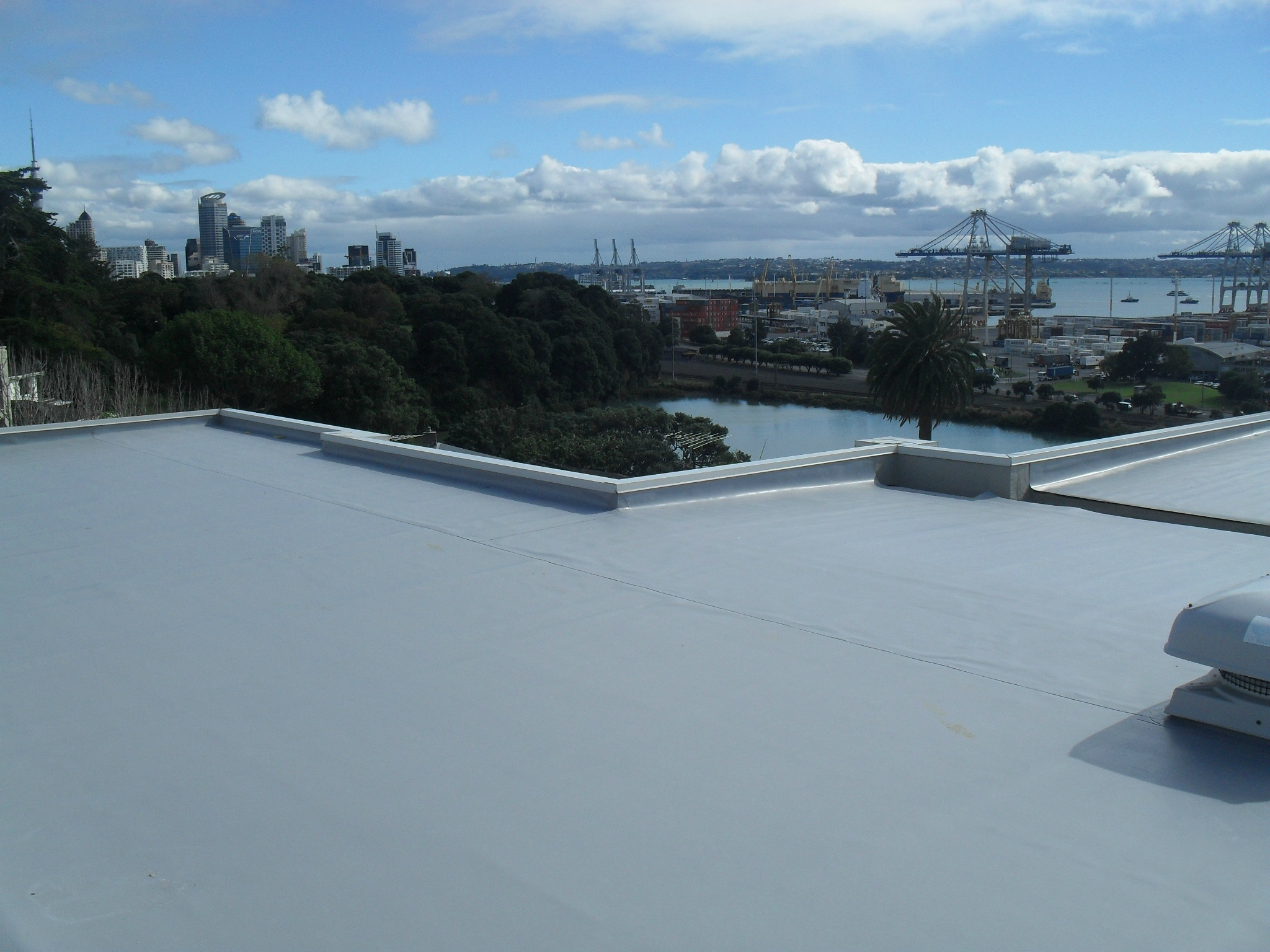
One roof, a different building underneath it every few years
Flex space is the chameleon of the commercial inventory. The same bay that houses a machine shop this lease might hold a distributor next, a contractor's yard after that, or three unrelated tenants split across the building at once. A flex roof has to keep performing through all of it, across occupancy swaps, tenant build-outs, and the full range of rooftop loads that come with industrial use. We scope industrial flex roofing in Fort Myers for that churn, because the building's job description keeps changing and the roof is expected to keep up.
This product type is everywhere in the local market. Multi-tenant flex and light-industrial buildings line the I-75 frontage and the feeder corridors around it, near the Tri-County , along Metro Parkway and Six Mile Cypress Parkway, out the Alico Road and SR-82 industrial stretches, and across the airport-adjacent yards. The stock ranges from 1970s and 1980s tilt-wall with aging built-up roofs to modern pre-engineered metal buildings, and each one needs a different approach.
Years of undocumented penetrations
The defining roofing problem on multi-tenant flex is the one you cannot see from the property records: penetrations. Every tenant improvement tends to add a rooftop HVAC unit, cut in a new electrical or refrigerant run, or set equipment that was never in the original loading plan, and almost none of it gets documented. So we never start a flex reroof without a penetration inventory survey. We photograph and map every penetration, compare it to the original drawings when they exist, and flag the non-standard or poorly sealed ones for remediation before new membrane goes down. That survey is what keeps a warranty dispute from showing up two years later.
Vacancy transitions are when roofs leak
Lease turnover is the riskiest moment in a flex roof's life. When a tenant pulls out and their HVAC units come off, the curb openings frequently get covered with temporary protection that does not survive one or two of this region's afternoon downpours. Inspections on a building in transition should always confirm curb-cap status, verify that the departed tenant's penetrations are properly sealed, and check that the drains are clear, because vacant bays collect debris and pond water far faster than occupied ones. We make that part of every transition walk we do for owners and property managers here.
Matching the system to the deck
- Tilt-wall and concrete flex. 60-mil TPO mechanically attached over tapered polyiso is the workhorse spec: cost-effective, and the tapered iso ends the ponding that the flat older roofs accumulate.
- High-traffic or equipment-dense roofs. Where multiple tenants' service contractors are walking the roof, 80-mil TPO or 60-mil PVC fully adhered earns its premium in puncture and traffic resistance.
- Pre-engineered metal buildings. Standing-seam recover systems, silicone-coated metal, or retrofit standing seam are weighed against full tear-off based on panel condition, purlin spacing, and load capacity.
Warranty coordination across changing tenants
Warranty management on flex space is its own discipline, because the building keeps getting modified by people who did not buy the roof. Every time a new tenant cuts in a penetration or sets a unit, there is a chance of voiding the manufacturer's warranty on a roof the owner is still counting on. We help owners keep that warranty intact by setting a simple rule that any rooftop work by a tenant's mechanical contractor routes through an approved flashing detail, and we offer to inspect and properly tie in new penetrations as tenants come and go rather than leaving them to a handyman's bucket of mastic. For an owner holding a flex building for the long term, that coordination is often worth more than the membrane upgrade itself, because it is what keeps a fifteen- or twenty-year warranty from quietly dying in year three.
Coordinating a building full of tenants
Multi-tenant work starts with a bay-by-bay occupancy map and a lease-contact list from property management. We identify which tenants have live rooftop equipment, which bays sit empty, and which occupants are sensitive to noise or HVAC downtime, then sequence the work and daily dry-in around that. Tenants get advance notice but communicate through the property manager, not directly with the crew, which keeps the project clean. For portfolio owners, we standardize condition reports across properties so they feed straight into capital planning. And because Hurricane Ian exposed every weak edge on this coast, we document attachment and edge metal to current wind requirements, so a multi-tenant roof is not the thing that fails in the next storm.
Industrial Flex Space Roofing Questions
How do you handle tenant-driven penetrations on flex buildings?
They are usually undocumented, so our pre-project survey photographs and maps every roof penetration, compares it to the original drawings where available, and flags non-standard or poorly sealed ones for remediation before new membrane goes down. That step heads off warranty disputes after completion.
What membrane works best for a multi-tenant flex building?
60-mil TPO mechanically attached over tapered polyiso is the common, cost-effective choice for tilt-wall and concrete flex here. For roofs with heavy equipment density or frequent service traffic from multiple tenants, 80-mil TPO or 60-mil PVC fully adhered is worth the premium for puncture and traffic resistance.
How do you coordinate work across tenants with different leases and schedules?
We start with a bay-by-bay occupancy map and lease-contact list from property management, identify live rooftop equipment, vacant bays, and noise- or downtime-sensitive tenants, then sequence work and daily dry-in around that. Tenants get advance notice but communicate through the property manager rather than the crew.
How do you price flex roofing for owners and property managers?
Pricing is per roof square based on membrane spec, the condition of the existing assembly, penetration density, and bay configuration, with fixed-price proposals after a roof walk and core where needed. Portfolio owners get standardized condition reports they can use for capital planning across properties.
Do you handle standing-seam metal roofs on pre-engineered buildings?
Yes. Metal recover options, including silicone-coated metal and retrofit standing seam, are weighed against full tear-off based on panel condition, purlin spacing, and load capacity. We specify and install both approaches in the Fort Myers area.