Long spans, heavy air, and no quiet hours
Sports and recreation buildings combine three things that each complicate a roof, and they bring all three at once. The roofs span far without interior columns, the interior air is hot and wet from athletic use, and the programming runs exactly when most contractors want to be home — evenings, weekends, holidays, tournament days. Gymnasiums, community recreation centers, aquatic centers, and arena structures around Fort Myers all share that profile, and it makes the category one of the more demanding ones we work. A spec that suits a flat, dry office roof is the wrong starting point for a building full of people exerting themselves under a wide, unsupported deck.
The demand is real and growing across Lee County. Fort Myers and the surrounding municipalities operate public recreation and aquatic centers, the schools and the YMCA run gymnasiums and pools, and the region's identity as a baseball and athletics destination — with the spring-training complexes that draw crowds each year — keeps recreation infrastructure busy and expanding. These buildings range from a single-court gym to a multi-pool aquatic center, but the roofing challenges scale right along with the spans.
Clear-span decks behave differently than they look
A gymnasium or arena roof is a long-span structure, and a wide unsupported bay deflects, moves with temperature, and loads its fasteners differently than a short span does. The same eighty-foot steel deck needs a different pull-out calculation and attachment pattern than that deck at thirty feet, and in our coastal wind-uplift zone that math is not optional. We provide the structural deck evaluation and fastener specification as part of the scope on any long-span gym or arena roof rather than dropping a standard pattern onto an unusual structure and hoping the numbers work out.
The natatorium is the hardest roof in the category
An indoor pool is the most aggressive environment a roof in this category faces, and it is not really a humidity problem — it is a chemistry problem. Chlorine reacting with the organic matter swimmers bring in produces chloramine gas, and chloramine is corrosive: it eats standard metal flashing, attacks aluminum edge, and degrades some membrane adhesives from below. A natatorium roof in Fort Myers needs flashing materials confirmed against chloramine exposure, often stainless steel or copper in the worst zones, membrane chemistry checked against the manufacturer's resistance data, and a ventilation strategy that exhausts the corrosive air to the outside instead of recirculating it under the pool-hall deck. Treat a natatorium like an ordinary roof and it corrodes from the inside out.
Vapor control for athletic humidity
Even without a pool, dense athletic occupancy and locker rooms push moisture into the assembly, and our humid Gulf Coast climate decides where that vapor wants to go. The vapor retarder has to sit in the right position for this climate zone, and recovering over a wet or misspecified assembly only seals the moisture in. A moisture survey before the scope is finalized is standard on any aquatic or high-humidity recreation roof so we are solving the actual problem, not laminating over it.
Building the schedule around the programming calendar
These facilities are busiest after work and on weekends, so we take the programming calendar from facility management and sequence around it. Gym and arena roof work is concentrated in weekday daytime hours with dry-in confirmed before evening leagues and events start, and on aquatic facilities we coordinate any exhaust or HVAC penetration work with the pool-operations team so air exchange over the pool hall is never compromised mid-session.
Public procurement and private clubs
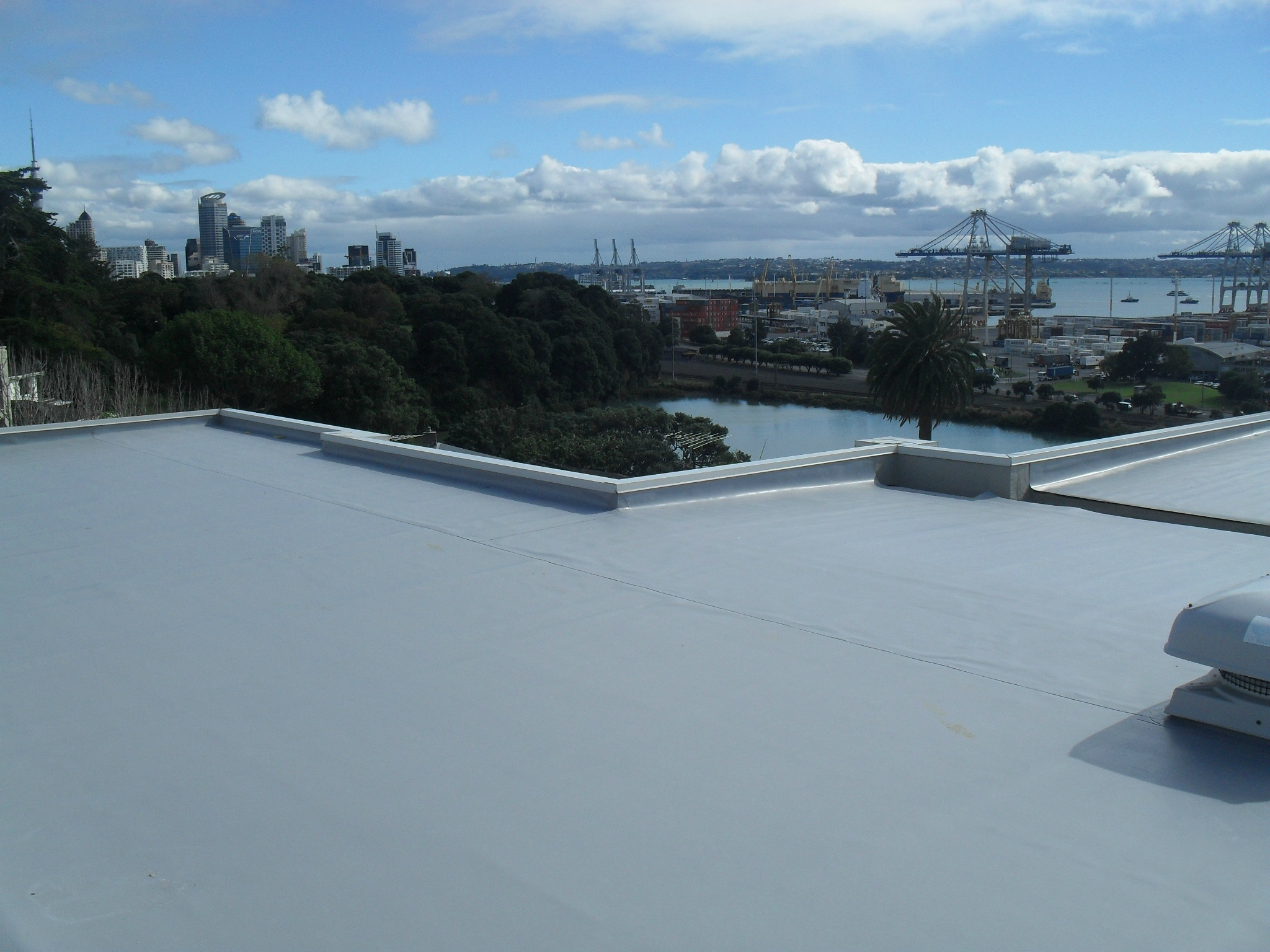
Many recreation centers here are public — run by the city, the county, park boards, the schools, or the YMCA — which brings public-bid advertising, bid bonds, performance and payment bonds, and prevailing-wage compliance where it applies. We carry the required bonds and insurance for public work in Florida and know the documentation those contracts demand. Private clubs and sports-entertainment venues follow a different procurement path but carry their own tight scheduling around memberships and event calendars, and the roof systems — typically a 60-mil or 80-mil TPO over polyiso on the long-span decks, with corrosion-resistant detailing on the wet ones — are specified to the building either way.
Sports & Recreation Facility Roofing Questions
How do you handle pool and locker-room humidity in the roof assembly?
Interior vapor from natatoriums and athletic spaces requires a vapor retarder positioned correctly for Fort Myers's climate zone. We review the existing assembly and run a moisture survey before specifying the reroof, because recovering over a wet or misspecified assembly traps the moisture instead of solving it.
What materials hold up to natatorium chloramine exposure?
Chloramine gas corrodes standard metal flashing, aluminum edge, and some membrane adhesives. For natatoriums we specify stainless steel or copper flashing in the exposed zones, confirm membrane compatibility against the manufacturer's chemical-resistance data, and use adhesives tested for pool-hall environments. Standard roofing specs are not appropriate for an indoor pool.
How do you schedule around heavy evening and weekend programming?
We work from the facility's programming calendar, concentrating gym and arena roof work in weekday daytime hours with dry-in confirmed before evening events begin. On aquatic facilities we coordinate exhaust and HVAC penetration work with the pool-operations team so air exchange over the pool hall is never interrupted during use.
Can you meet public-bid requirements for municipal facilities?
Yes. Public work for city, county, park-district, school, and YMCA facilities involves bid advertising, bid bonds, performance and payment bonds, and prevailing-wage compliance where applicable. We carry the required bonds and insurance for public work in Florida and handle the documentation those contracts require.
What roof system works on a large-span gymnasium?
Long-span gym roofs typically use 60-mil or 80-mil TPO mechanically attached over polyiso, with the attachment specified to the actual deck type and span — an eighty-foot bay needs different fastener pull-out calculations than a thirty-foot one. We provide the deck evaluation and fastener specification as part of the scope.