The Amazon Delivery Station in Fort Myers, part of the last-mile logistics network serving Lee County and the Southwest Florida coast, operates in a climate that presents some of the most demanding combined roofing challenges in the nation. Fort Myers sits within Lee County, which like Broward County is subject to Florida's stringent hurricane wind zone requirements, though Fort Myers falls in the non-HVHZ standard Florida Building Code hurricane provisions rather than the extreme HVHZ designation. The practical difference in code requirements is meaningful, but Southwest Florida warehouse roofing still demands specifications that far exceed those of non-hurricane states, and the proximity to the Gulf of Mexico adds salt air exposure to an already demanding performance environment.
Drainage engineering for Fort Myers warehouse footprints must account for one of the highest annual rainfall rates in the continental United States. Lee County regularly records over 54 inches per year, concentrated in the June through September wet season when afternoon convective storms deliver rainfall intensities that challenge even well-designed drainage systems. Warehouse roofs in the Fort Myers area must be designed with primary drain capacity sized for Lee County's documented rainfall intensities, and overflow scuppers are mandatory under the Florida Building Code — sized to handle simultaneous primary drain blockage during a storm event without allowing roof loads to exceed structural capacity. The consequences of inadequate drainage in a Southwest Florida warehouse during the wet season are not theoretical.
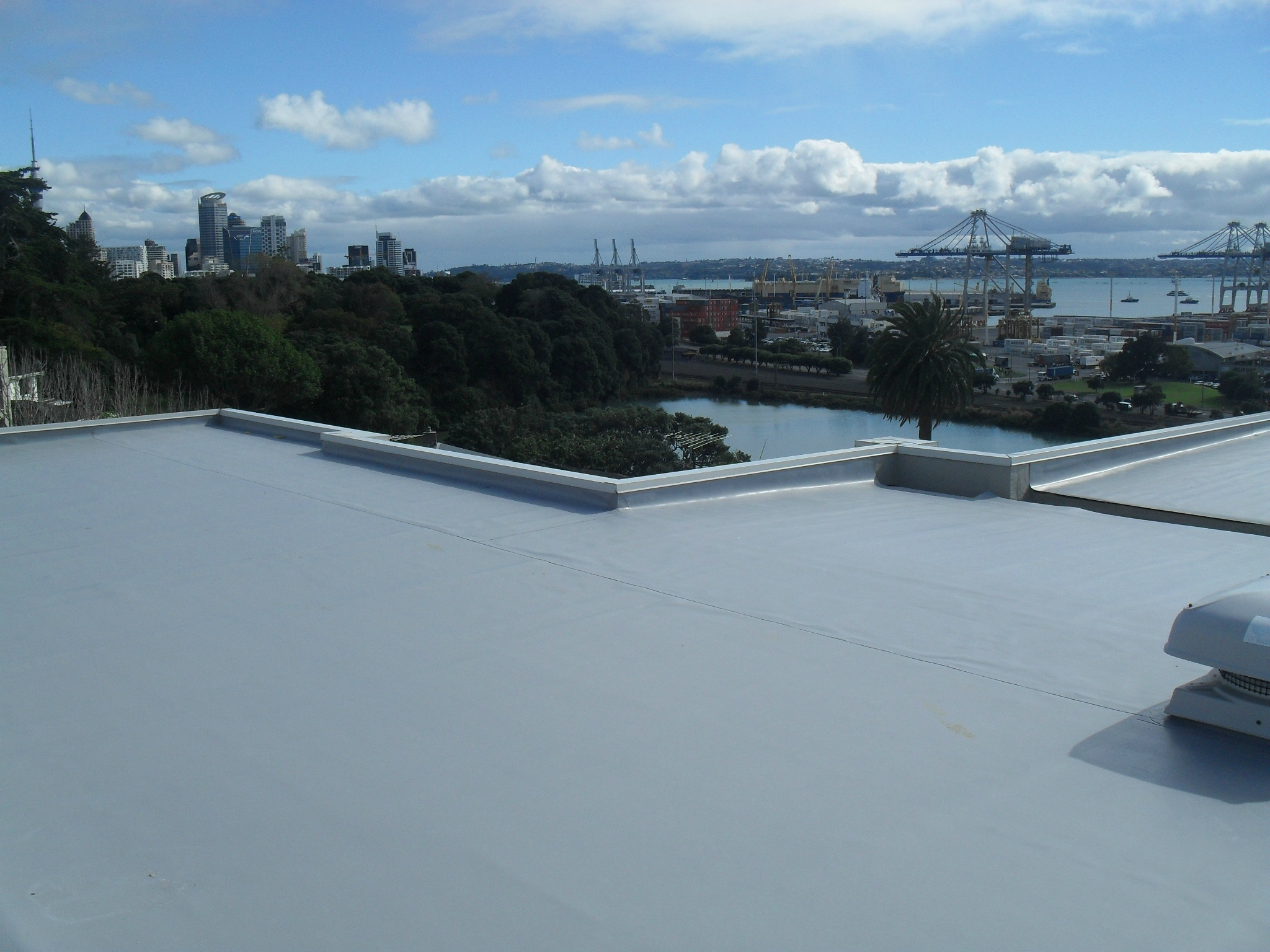
TPO membrane is the dominant specification for Fort Myers warehouse construction, and the Florida Building Code's product approval requirements mean that only Florida-approved membrane systems and attachment assemblies can be legally installed in Lee County. The Product Approval system requires testing to Florida-specific wind resistance standards, and the approved products list for Lee County's wind zone is distinct from the list applicable to Miami-Dade and Broward. Fort Myers warehouse owners and their contractors must verify that specified products carry current Florida Product Approval for the applicable wind zone, not simply that a product is approved somewhere in the state.
Salt air exposure is a meaningful material selection factor for Fort Myers warehouses that is absent in inland markets. Facilities within several miles of the Gulf of Mexico or Charlotte Harbor experience accelerated oxidation of metal flashing components, fastener corrosion, and degradation of elastomeric sealants from salt spray and high-chloride humidity. Specifying stainless steel or hot-dipped galvanized fasteners, aluminum flashings with marine-grade coatings, and sealants with documented salt spray resistance adds modest upfront cost but dramatically extends flashing and metal component service life in the coastal environment. Contractors proposing standard inland-specification metals for Fort Myers waterfront industrial properties are not accounting for the environment.
Dock bay penetration flashing on Fort Myers warehouses must meet Florida's wind-driven rain resistance requirements, which translate to specific lap and attachment details that are more demanding than standard commercial practice in non-hurricane states. The dock door transitions on buildings with west or south exposures face direct Gulf-origin storm exposure, and the base flashing details at these penetrations should include secondary drainage to handle the wind-driven water infiltration that occurs even through compliant flashings during major storm events. A properly detailed, two-stage flashing assembly at dock walls catches driven water in a drainage channel rather than allowing it to saturate the insulation below the deck.
Rooftop mechanical equipment on Fort Myers distribution centers must be hurricane-anchored under the Florida Building Code, with structural connections calculated for the design wind speed applicable to the building's location within Lee County. Equipment curb attachments are specifically reviewed during the building inspection process for new installations, and retro-active anchoring upgrades on existing equipment may be required when a commercial building changes occupancy or undergoes significant renovation. Pre-storm rooftop equipment securement inspections should be part of every Fort Myers warehouse operator's hurricane preparedness program, as improperly anchored equipment is a roof membrane hazard before the primary wind event even arrives.
Energy efficiency for Fort Myers warehouses is a cooling-dominated calculation, as Lee County essentially has no heating season. A white TPO membrane with R-25 or better insulation on a climate-controlled distribution center significantly reduces the mechanical cooling load that drives the majority of a Southwest Florida warehouse's utility cost. FPL (Florida Power and Light) offers commercial energy efficiency programs that sometimes include incentives for qualifying roofing projects, and owners should contact FPL's business customer team before finalizing an insulation specification to identify any currently available incentive programs. The payback calculation on premium insulation for a Fort Myers warehouse is among the strongest in the country given the year-round cooling demand.
Hurricane season preparation for Fort Myers warehouse operators requires a documented roofing assessment each spring, supplemented by immediate post-storm inspections after any significant weather event that affects Lee County. The post-Irma and post-Ian periods demonstrated that even well-maintained facilities in Southwest Florida experienced roofing damage that was not apparent until the next significant rain event weeks after the storm. Infrared moisture scanning following storm events identifies wet insulation that may not yet be producing active leaks but is actively deteriorating and will produce leaks within months if not addressed. Timely documentation and claim filing after storm events is essential to capturing insurance recovery for storm damage before policy reporting deadlines expire.
Cost per square foot for hurricane-code-compliant warehouse roof replacement in Fort Myers typically ranges from $10 to $16, reflecting the Florida-specific product and attachment requirements that add cost compared to non-hurricane markets. The Southwest Florida contractor market has recovered its capacity following the wave of demand triggered by Hurricane Ian's 2022 damage across Lee County, and competitive bidding on large warehouse projects is generally available. Owners should specifically verify that bidding contractors hold current Florida State Certified Roofing Contractor licenses and can provide Lee County-specific product approval documentation for the proposed assembly before accepting any bid.
- How did Hurricane Ian affect warehouse roofing in Fort Myers?
- Hurricane Ian's 2022 landfall near Cape Coral produced wind speeds that exceeded the design parameters of some older Fort Myers area warehouses, causing significant roofing system damage across Lee County's industrial base. Many facilities discovered that perimeter flashings and older mechanically attached membranes were the first failures, followed by water intrusion from driven rain through compromised details. The post-Ian period highlighted the importance of maintaining current Florida Product Approval status for all roofing components and investing in perimeter and corner attachment that meets the current code rather than the older standard under which many buildings were originally constructed.
- What wind speed requirements apply to Fort Myers warehouse roofs?
- Lee County falls within the Florida Building Code's wind speed maps at values that require meaningful uplift resistance specifications, though lower than the HVHZ requirements of Miami-Dade and Broward Counties. The specific design wind speed varies by exposure category and distance from the coast — facilities near the Gulf of Mexico or major water bodies have higher design requirements than inland industrial parks. A structural engineer or code consultant should determine the precise design wind speed for each site before the roofing assembly is specified.
- What is the Florida Product Approval system and how does it affect my roofing project?
- The Florida Product Approval system requires that roofing products used in Florida carry state-specific test approvals demonstrating wind resistance and other performance characteristics required by the Florida Building Code. Products approved in other states are not automatically approved for Florida use, and products must be installed by certified applicators following the specific assembly configurations that were tested for approval. Your roofing contractor must be able to provide current Florida Product Approval documentation for all major components of the proposed system before the permit can be issued.
- Should Fort Myers warehouse owners invest in roof tarps or emergency covering contracts?
- Yes. Having a documented emergency roofing response contract with a qualified Florida-licensed contractor before hurricane season begins ensures priority service in the critical post-storm period when every roofing contractor in Southwest Florida is overwhelmed with demand. Pre-positioned tarping materials stored on-site or available through the contractor's emergency inventory can significantly reduce water intrusion damage in the days between storm impact and permanent repair. Most commercial property insurers view documented emergency response planning favorably in the commercial underwriting process.
- How does Fort Myers' humidity affect membrane service life expectations?
- Southwest Florida's year-round high humidity and warm temperatures create an active biotic growth environment that degrades white TPO reflectivity over time and can cause adhesive failures in improperly installed systems. Properly specified and installed systems with anti-microbial treatments and regular cleaning maintenance achieve full design service life, but the maintenance investment is higher than in arid or temperate climates. Owners should budget for annual professional cleaning and inspection as a standard operating cost rather than a discretionary expense for Fort Myers warehouse roofs.